
Key takeaways
Belt conveyors have become one of the most important material handling systems in modern manufacturing. Industries such as food processing, pharmaceuticals, chemicals, agriculture, mining, packaging, and bulk material handling rely on conveyor systems to transport products efficiently between different production stages. As manufacturing facilities continue to adopt automation, selecting the right belt conveyor manufacturer has become more important than simply purchasing equipment. Manufacturers must evaluate factors such as conveyor design, material compatibility, automation capabilities, system integration, hygiene requirements, and long-term operational support.
The Indian manufacturing sector is expanding rapidly, increasing the demand for reliable material handling solutions that can improve productivity while reducing manual handling and operational inefficiencies. Choosing the right conveyor partner can significantly influence production performance, equipment reliability, and future scalability. This guide explains the key factors manufacturers should consider when selecting a belt conveyor manufacturer in India and how the right solution can improve overall plant efficiency.
Why Belt Conveyors Are Essential in Modern Manufacturing
Belt conveyors are designed to transport materials continuously from one production stage to another. Unlike manual handling methods, conveyor systems provide a controlled and consistent material flow, reducing product damage and improving operational efficiency.
Modern conveyor systems are used for several manufacturing functions, including material transfer, product movement, cooling, sorting, inspection, packaging, and integration between multiple processing stages.
Several factors have contributed to the increasing adoption of conveyor systems across different industries:
Types of Belt Conveyor Systems
1. Flat Belt Conveyors
Flat belt conveyors are among the most widely used conveyor systems in industrial manufacturing. These systems transport products across horizontal or slightly inclined surfaces and are commonly used in food processing, packaging, pharmaceutical manufacturing, and assembly operations.
Flat belt conveyors are suitable for applications that require smooth and continuous product movement while maintaining product stability.
2. Inclined Belt Conveyors
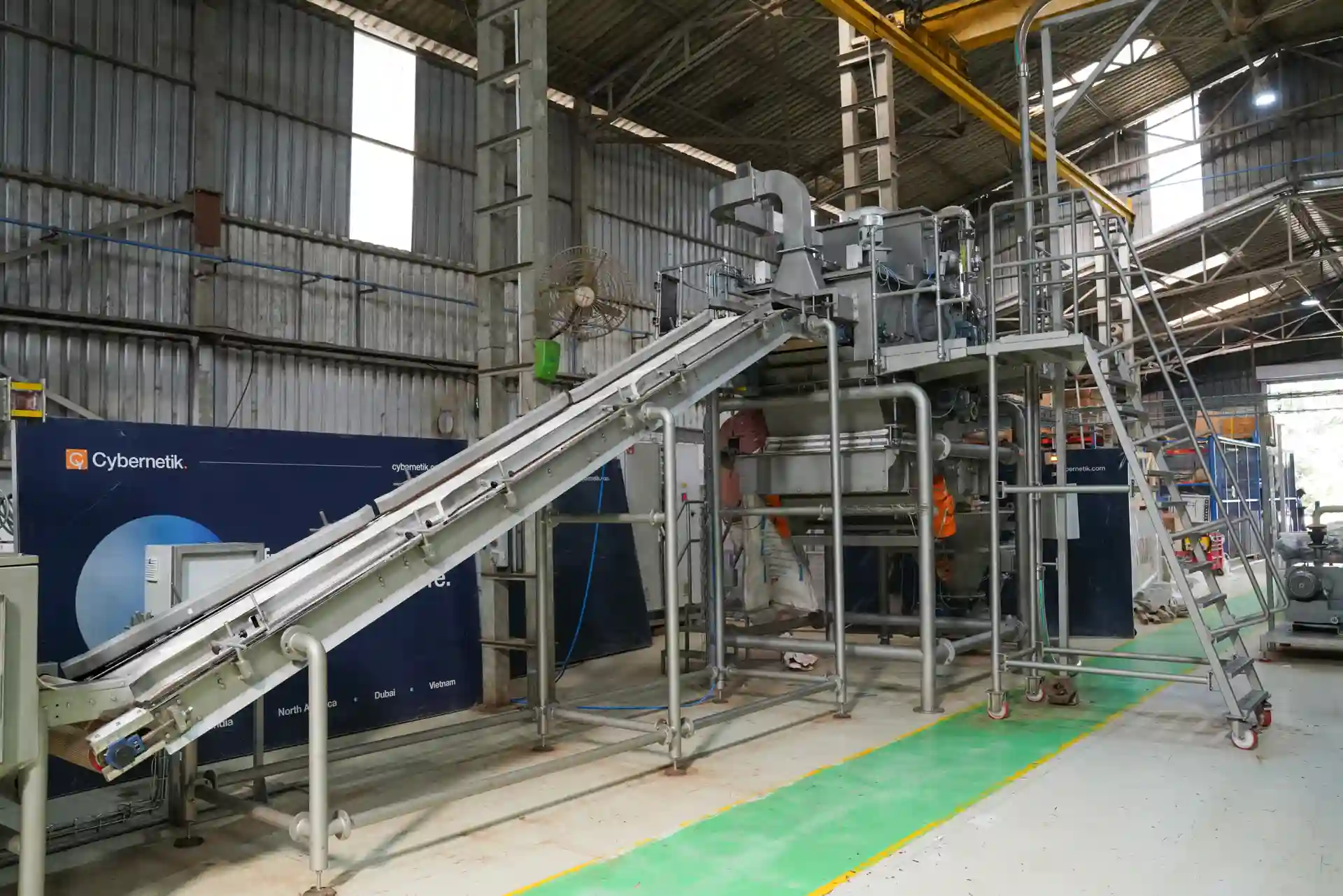
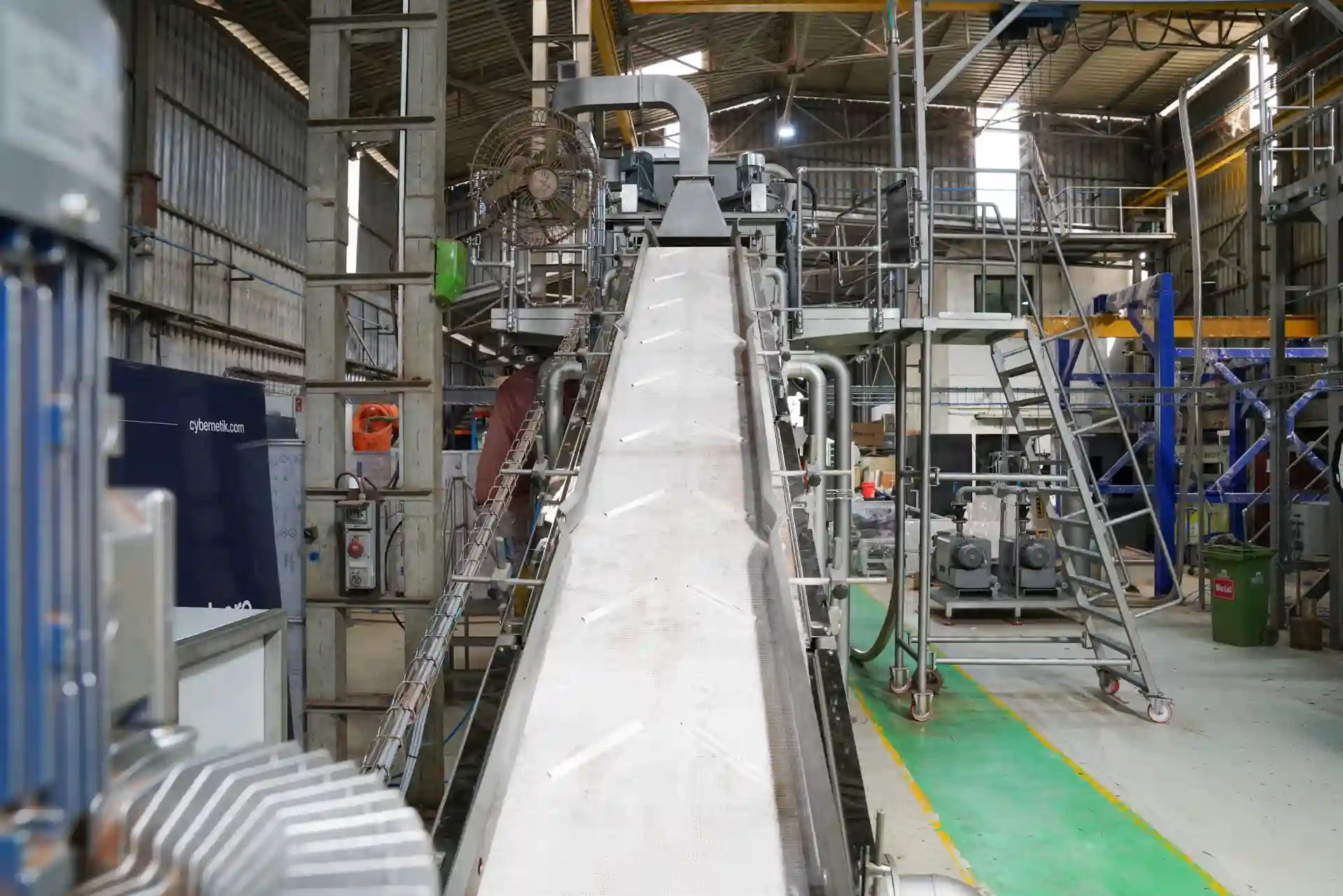
Inclined belt conveyors are designed to move products between different elevations. These systems are commonly used when manufacturing processes require materials to be transferred between multiple production levels.
Industries such as agriculture, food processing, and bulk material handling frequently use inclined conveyors to optimize facility layouts and improve material flow.
3. Modular Belt Conveyors
Modular conveyor systems provide greater flexibility and can be configured to meet specific production requirements. These systems support customized layouts and can easily integrate with existing production lines.
Manufacturers often choose modular conveyors because they simplify future expansion and production modifications.
4. Food-Grade Belt Conveyors
Food-grade conveyor systems are designed to meet strict hygiene requirements. These conveyors use specialized materials and sanitary designs that simplify cleaning while preventing product contamination.
Food manufacturers commonly use these systems in snack processing, spice manufacturing, bakery operations, and ready-to-eat food production.
Industry Experience and Technical Expertise
Experience should be one of the first factors considered when selecting a conveyor manufacturer. A company with experience across multiple industries can provide valuable insights into conveyor design, process optimization, and system integration.
Manufacturers should evaluate previous projects, industry-specific expertise, engineering capabilities, and the ability to develop customized solutions for different production environments.
Conveyor Design and Customization Capabilities
Every manufacturing facility has unique operational requirements. Standard conveyor systems may not always provide the flexibility required for specialized applications.
Several design factors should be evaluated during equipment selection:
Important Factors When Selecting a Belt Conveyor Manufacturer
| Selection Criteria | Why It Matters |
| Industry experience | Improves system design and application knowledge |
| Engineering capabilities | Supports customized conveyor development |
| Product compatibility | Ensures efficient material handling |
| Automation expertise | Improves production efficiency |
| Hygiene standards | Supports food and pharmaceutical applications |
| After-sales support | Reduces downtime and maintenance issues |
| Scalability | Supports future production growth |
The Importance of Automation and System Integration
Modern manufacturing facilities require more than standalone conveyor systems. Belt conveyors must integrate with other equipment to create a fully connected production environment.
Advanced conveyor systems can be integrated with multiple automation technologies, including processing equipment, filling systems, mixing equipment, inspection systems, packaging machinery, palletizers, and warehouse automation.
An automation-focused manufacturer can provide several advantages:
 “Modern conveyor systems must be designed around the product, the process, and the production environment to deliver reliable and scalable manufacturing performance.”

See it in action
Industry-Specific Requirements Should Never Be Overlooked
Different industries have different conveyor requirements. Choosing a manufacturer that understands these requirements is essential for long-term operational success.
Food processing facilities often prioritize hygiene and easy cleaning. Pharmaceutical manufacturers focus on contamination control and regulatory compliance. Chemical industries require equipment capable of handling aggressive materials, while bulk material handling applications demand durable systems designed for continuous operation.
Manufacturers should work with conveyor suppliers that understand the specific operational requirements of their industry rather than selecting a one-size-fits-all solution.
Belt Conveyor Applications Across Different Industries
| Industry | Conveyor Application | Key Requirement |
| Food processing | Ingredient and product handling | Hygienic design |
| Pharmaceuticals | Material transfer | Contamination control |
| Chemicals | Powder handling | Safety and durability |
| Agriculture | Grain and feed handling | High throughput |
| Packaging | Product movement | Automation integration |
| Bulk material handling | Continuous transportation | Heavy-duty construction |
Why Choose Cybernetik as Your Belt Conveyor Manufacturer?
Cybernetik develops advanced material handling solutions that combine conveyor technology, process automation, and system integration to improve manufacturing efficiency. With experience across food processing, pharmaceuticals, chemicals, and bulk material handling applications, Cybernetik designs conveyor systems that support diverse production requirements.
Key advantages include:
Cybernetik also provides integrated solutions such as snack food automation, spice grinding systems, flavor mixing systems, food cutting systems, cooling conveyors, and drum filling systems, allowing manufacturers to create fully connected production facilities.