
Key takeaways
Cleaning and sanitation are essential in industries that process food, beverages, pharmaceuticals, dairy products, cosmetics, and chemicals. Even minor contamination can affect product quality, reduce equipment performance, and create significant compliance challenges. Traditional cleaning methods often require equipment to be dismantled before washing, resulting in longer production downtime, higher labor costs, and inconsistent cleaning results. As manufacturing facilities continue to increase production capacity, companies are looking for more efficient cleaning solutions that maintain hygiene while minimizing operational interruptions.
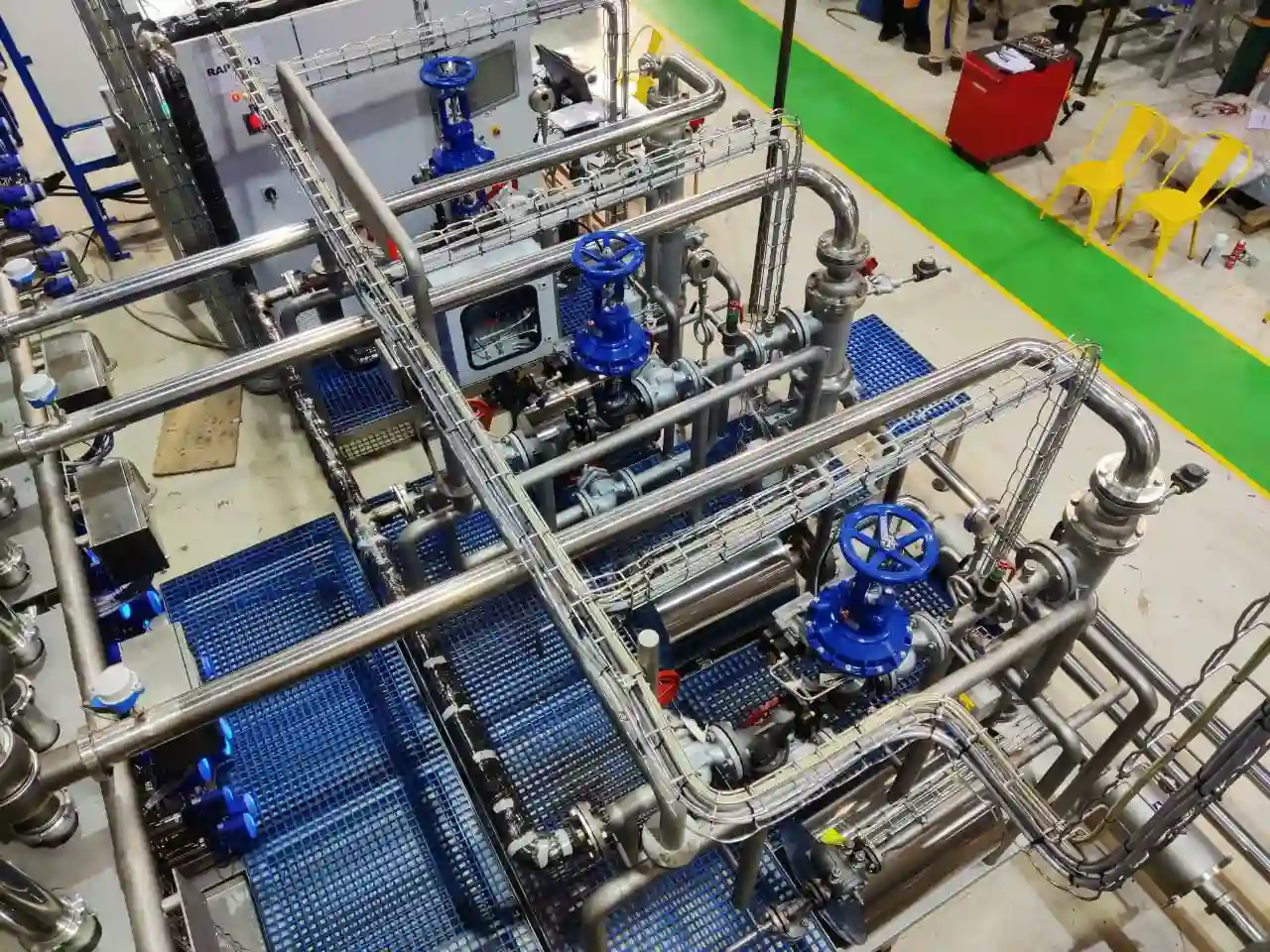
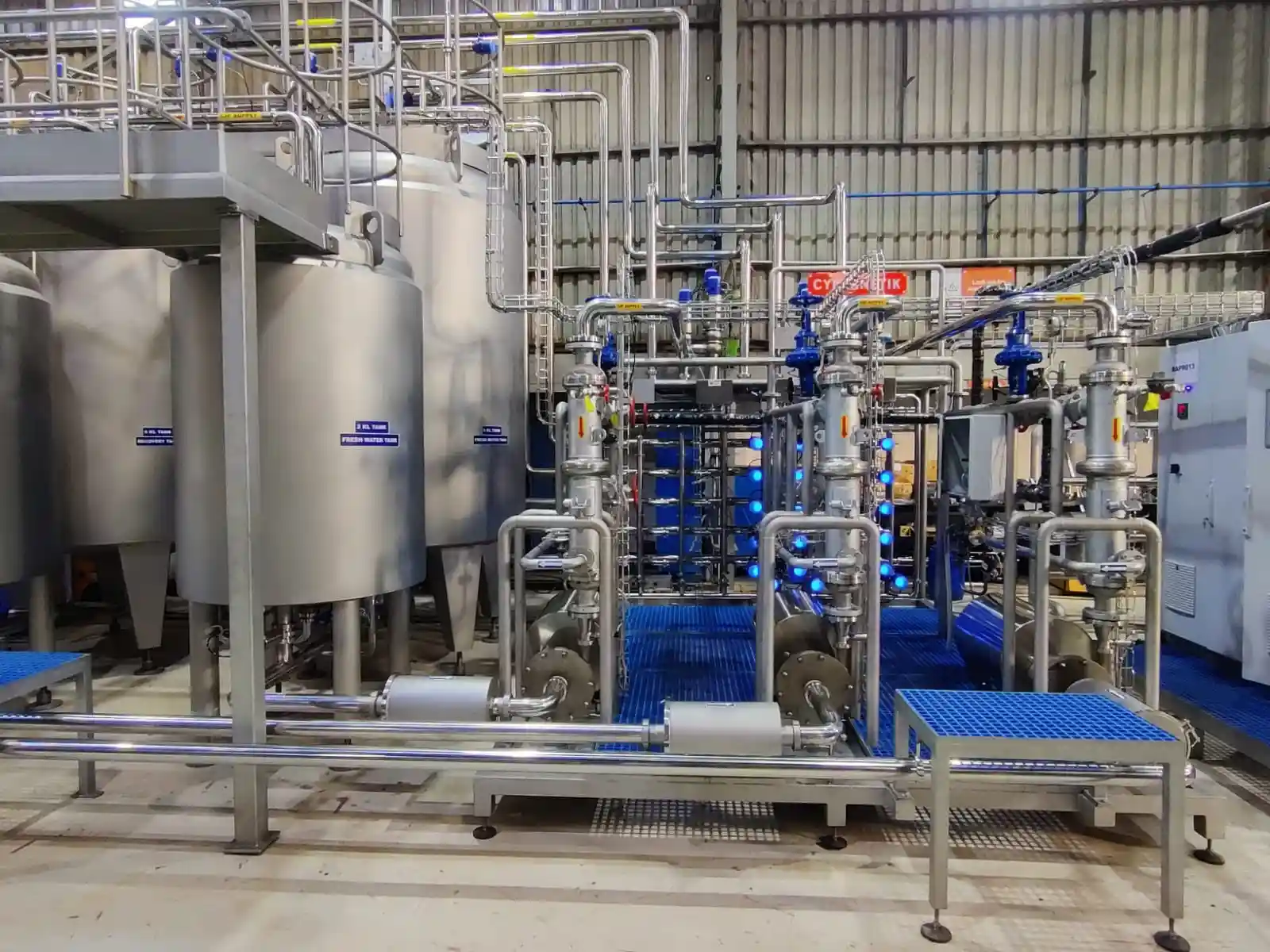
Clean-in-Place (CIP) technology was developed to address these challenges. CIP systems allow manufacturers to clean tanks, pipelines, vessels, heat exchangers, mixers, and processing equipment without disassembling the production line. Today, automated CIP systems have become an important component of modern manufacturing because they improve cleaning efficiency, reduce downtime, optimize water and chemical consumption, and help manufacturers maintain consistent hygiene standards throughout the production process.
This guide explains how Clean-in-Place systems work, their benefits, key process stages, and the industries that rely on CIP technology.
What Is Clean-in-Place (CIP)?
Clean-in-Place (CIP) is an automated cleaning method that removes product residues, microorganisms, contaminants, and other unwanted materials from the internal surfaces of processing equipment without requiring manual disassembly.
A CIP system circulates cleaning solutions through equipment using a controlled sequence that combines water, cleaning chemicals, temperature, pressure, and flow velocity. This process ensures that every internal surface receives thorough and consistent cleaning.
Modern CIP systems are commonly used to clean:
Because the entire cleaning cycle is automated, manufacturers can maintain consistent cleaning standards while reducing dependence on manual cleaning procedures.
How Does the CIP Process Work?
Although the exact process varies depending on the application, most CIP systems follow a structured cleaning cycle.
1. Pre-Rinse Cycle
The cleaning process usually begins with a pre-rinse stage that removes loose particles and product residues from equipment surfaces.
Water is circulated through the system to flush out remaining materials and prepare the equipment for chemical cleaning. This stage reduces contamination and improves the effectiveness of subsequent cleaning cycles.
2. Chemical Washing
After the initial rinse, cleaning solutions are circulated through the equipment to dissolve fats, proteins, sugars, oils, and other residues.
Manufacturers often use alkaline or acidic cleaning agents depending on the product being processed and the type of contamination present.
Chemical cleaning helps remove materials that cannot be eliminated through water alone.
3. Intermediate Rinse
Once the chemical cleaning cycle is complete, the system performs an intermediate rinse to remove residual cleaning agents from the equipment.
This step prevents cleaning chemicals from contaminating products during the next production cycle.
4. Sanitization
Some industries require an additional sanitization stage to eliminate microorganisms and reduce microbial contamination.
Sanitization may involve hot water, steam, or specialized sanitizing chemicals, depending on the manufacturing process and regulatory requirements.
5. Final Rinse and Verification
The final rinse removes any remaining cleaning agents and prepares the equipment for production.
Modern CIP systems often include automated monitoring technologies that verify important cleaning parameters such as temperature, chemical concentration, conductivity, and flow rates to ensure cleaning effectiveness.
Typical Clean-in-Place Process Cycle
| Cleaning Stage | Primary Function |
| Pre-rinse | Removes loose product residues |
| Chemical wash | Dissolves contaminants and deposits |
| Intermediate rinse | Removes cleaning chemicals |
| Sanitization | Eliminates microorganisms |
| Final rinse | Prepares equipment for production |
| Verification | Confirms cleaning performance |
Benefits of Clean-in-Place Systems
1. Improved Hygiene and Product Quality
Maintaining hygiene is one of the most important requirements in food, pharmaceutical, dairy, and chemical manufacturing. Automated CIP systems use standardized cleaning cycles to ensure that every piece of equipment is cleaned consistently. This reduces the risk of contamination, improves product quality, and helps manufacturers comply with industry regulations. Consistent cleaning also minimizes product variation and creates a more reliable production environment.
2. Reduced Production Downtime
Traditional cleaning methods often require equipment to be stopped and partially disassembled, resulting in longer production interruptions. CIP systems eliminate many of these manual steps by cleaning equipment without dismantling it. Faster cleaning cycles reduce downtime, improve equipment availability, and allow manufacturers to increase production capacity while maintaining hygiene standards.
3. Lower Labor Requirements
Manual cleaning requires significant time and labor, especially in large manufacturing facilities with multiple processing lines. Automated CIP systems reduce operator involvement by performing cleaning operations through programmed cycles. This allows employees to focus on production, quality control, and process monitoring instead of spending hours on cleaning activities, ultimately improving overall operational efficiency.
4. Optimized Water and Chemical Consumption
Modern CIP systems are designed to improve resource efficiency by controlling water usage, chemical concentration, cleaning time, and flow rates. Automated controls help manufacturers reduce unnecessary consumption while maintaining effective cleaning performance. This not only lowers operating costs but also supports sustainability initiatives by reducing waste and improving resource utilization throughout the facility.
5. Improved Process Consistency
Consistency is essential in industries that require strict quality and sanitation standards. Automated CIP systems follow predefined cleaning parameters during every cycle, ensuring repeatable and reliable cleaning results. Standardized cleaning procedures improve process control, simplify equipment validation, support regulatory compliance, and help manufacturers maintain consistent production quality over time.
Applications of Clean-in-Place Systems
Food Processing
Food manufacturers use CIP systems to clean equipment used for processing products such as sauces, dairy products, snacks, spices, bakery products, and ready-to-eat foods. Automated cleaning helps maintain food safety standards, reduce contamination risks, and improve production efficiency while minimizing downtime between production batches.
Dairy Processing
Dairy products often leave protein and fat deposits inside processing equipment, making effective cleaning essential. CIP systems are widely used to clean milk storage tanks, pasteurizers, pipelines, and processing vessels. Automated cleaning improves sanitation while reducing cleaning time and increasing equipment utilization.
Beverage Manufacturing
Beverage manufacturers rely on CIP systems to maintain strict sanitation standards throughout production. Tanks, mixing systems, filling equipment, and pipelines require regular cleaning to prevent contamination and maintain product consistency. Automated cleaning helps improve operational efficiency while supporting continuous production.
Pharmaceutical Manufacturing
Pharmaceutical manufacturers must comply with strict regulatory requirements that demand validated cleaning procedures. CIP systems provide controlled and repeatable cleaning cycles that improve contamination control and process consistency. Automated monitoring also helps simplify documentation and regulatory compliance.
Chemical Processing
Chemical manufacturers use CIP systems to remove residues from processing equipment while reducing the risk of cross-contamination between production batches. Automated cleaning improves equipment performance, reduces maintenance requirements, and minimizes direct operator exposure to chemicals, creating a safer manufacturing environment.
 “By combining automation, controlled cleaning cycles, and resource optimization, CIP systems help manufacturers improve both sanitation and operational performance.“

See it in action
CIP Applications Across Different Industries
| Industry | Equipment Commonly Cleaned | Primary Objective |
| Food processing | Tanks, mixers, pipelines | Food safety |
| Dairy | Storage tanks, heat exchangers | Hygiene and sanitation |
| Beverage manufacturing | Mixing systems, filling equipment | Contamination prevention |
| Pharmaceuticals | Process vessels, pipelines | Regulatory compliance |
| Chemical processing | Reactors, storage tanks | Equipment cleanliness |
How Automation Improves Modern CIP Systems
Modern CIP systems are increasingly incorporating automation technologies that improve cleaning performance and provide greater process visibility.
Several automation technologies are transforming CIP operations:
Why Choose Cybernetik for Clean-in-Place Solutions?
Cybernetik develops advanced CIP solutions that combine hygienic engineering, process automation, and intelligent control technologies to support modern manufacturing requirements.
The company’s approach focuses on improving cleaning efficiency while reducing operational downtime and resource consumption.
Key advantages include:
By combining engineering expertise with automation technologies, Cybernetik helps manufacturers maintain high hygiene standards while improving overall production efficiency.